Supra Sucks
June 12, 2025
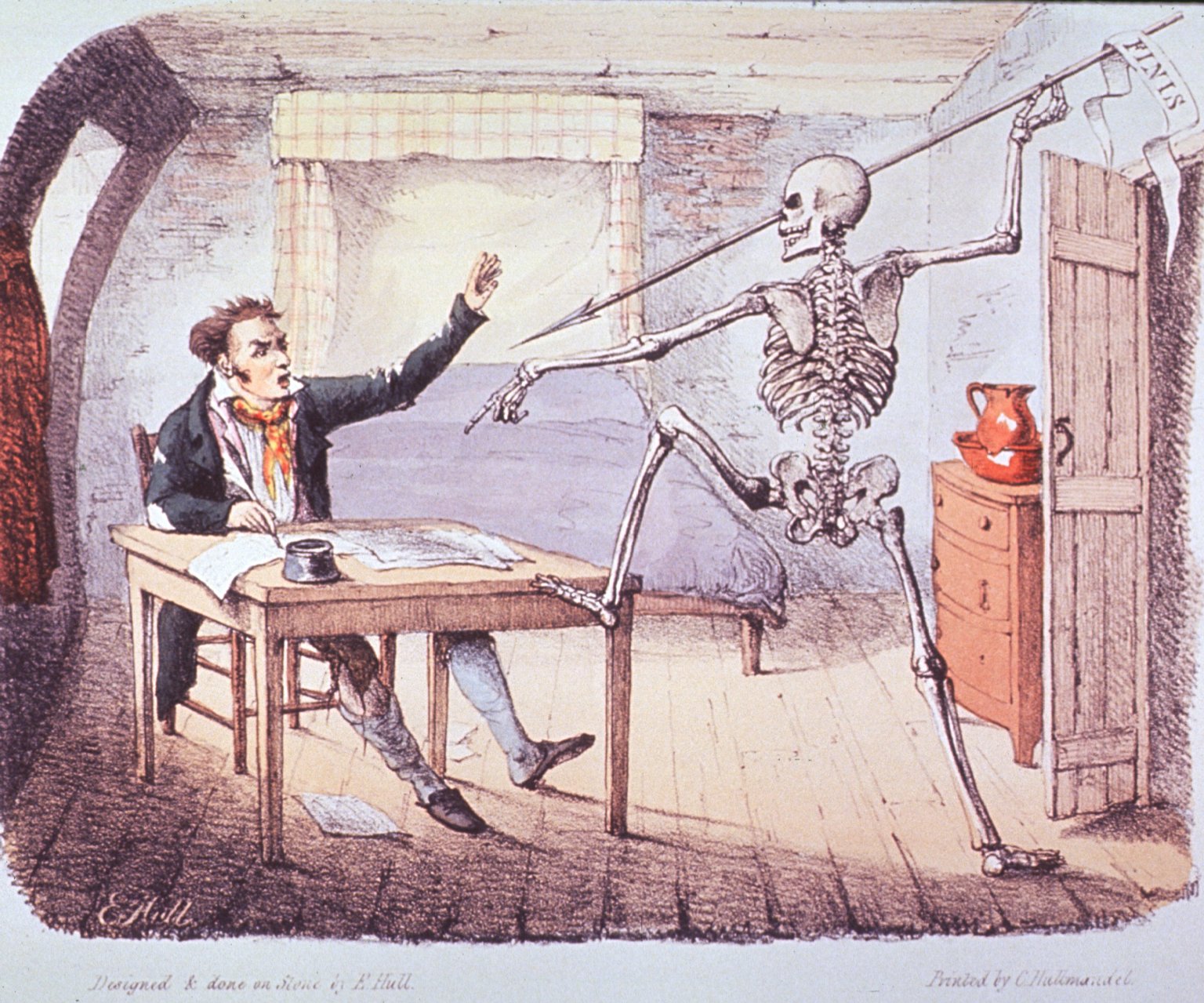
Of all the Bluebook’s rules, supra is among the worst. Pity the reader? No, make them work. You want the reference? Find it yourself. Seeing a supra halfway through an article is like drawing a Go Back 20 Spaces card in a board game.
It’d be one thing if people read articles top to bottom. At least then you’d have some chance of knowing what a footnote reading “See Smith supra n.28” referred to. But who does that? No one. God help you if the article cites multiple works from the same author.
One solution would be to include the full citation a second time. The functionally invisible repetition is preferable to any sort of space-saving that supra accomplishes. But if we’re still concerned about space, omit the publishing journal and year published. Author and title is usually enough to identify the source, and, that failing, you can always include the note reference to the original footnote. Optimize for the common case, not the outliers.
What about digital articles? Jumping between footnotes in a PDF should be a breeze with links. If only it were so simple. Article editors seem to live in the (early) 20th century, where a “hyperlink” is merely the tram that ferries passengers between the airport and parking lot.
The only explanation is that the editors of the Bluebook feed off the life force readers lose in pursuit of the original citation. With every page scrolled and papercut incurred the editors grow stronger, using their new found power to create more rules.